

The basic food basket in Buenos Aires has undergone dramatic transformations in the last twelve months. What was once a routine weekly purchase has become an exercise in strategy and meticulous planning for thousands of porteño families.
The Real Impact on Family Budgets
When we analyze the cold numbers, we see that the average food cost for a typical family has grown 187% year-on-year. But these abstract percentages come to life when we enter a supermarket. A kilogram of beef that cost $2,800 in January 2025 now hovers around $8,000. Sunflower oil went from $1,200 to $3,400 per liter. Dairy products, bakery items and vegetables followed similar trajectories.
María Fernández, mother of two and resident of Caballito, shares her experience: "Before I did one big monthly purchase and small weekly replenishments. Now I have to go three times a week, compare prices between different stores and constantly adjust what I buy according to the day's deals."
Most Affected Categories
Our survey identified that animal proteins lead the increases. Beef, traditional in the Argentine diet, has become an occasional luxury for many families. Chicken, historically more economical, also registered increases of 165%. Fish and seafood, always premium, are now completely out of reach for the average consumer.
Basic pantry products didn't escape either. Rice, pasta, legumes and flour increased between 140% and 170%. Vegetable oils, essential for cooking, experienced temporary shortages that momentarily shot prices up to 250% above historical values.
Adaptation Strategies
Porteño families have developed ingenious tactics to maintain nutritious food without breaking the budget. Shopping at wholesale markets has become popular, especially for non-perishable products. Neighbor groups organize joint purchases to access volume prices.
Smart substitution is another key strategy. More economical cuts of meat replace traditional ones. Legumes gain prominence as a protein source. Seasonal vegetables, more economical, dictate weekly menus. Homemade bread resurfaces as an alternative to bakery bread.
Differences by Zone
Not all porteño neighborhoods face the same reality. Our analysis revealed differences of up to 35% in prices for identical products depending on the area. Supermarkets in central neighborhoods like Recoleta or Palermo tend to have higher prices than those in peripheral areas like Flores or Villa Urquiza.
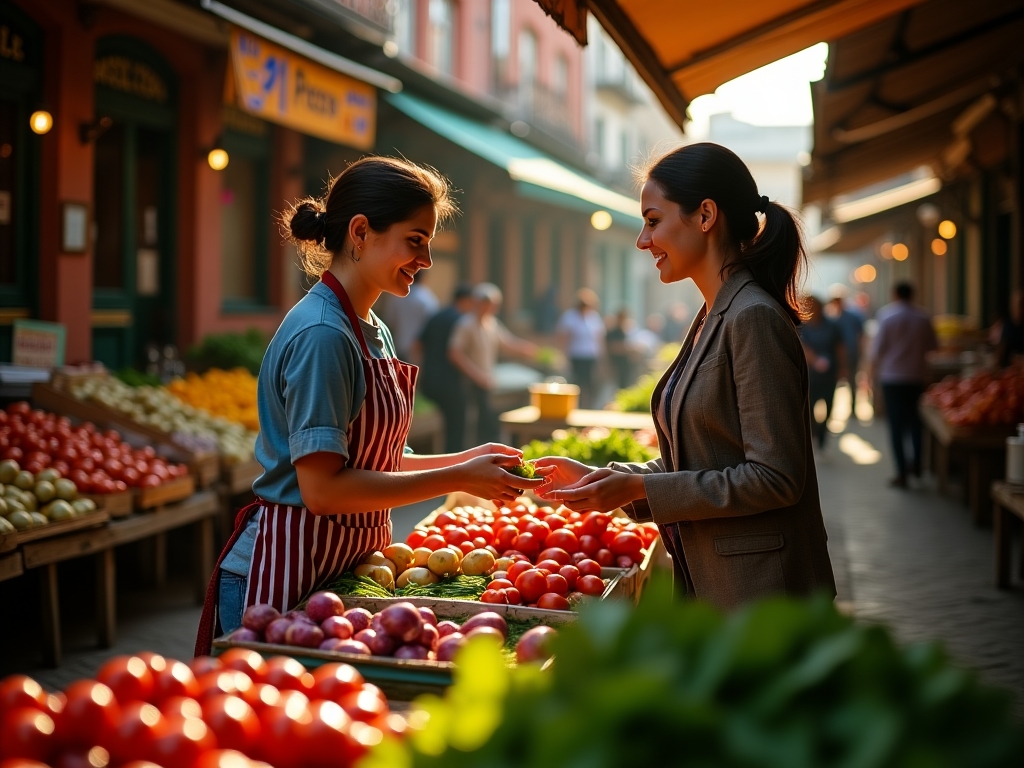
Neighborhood markets and local greengrocers, although less convenient, frequently offer competitive prices on fruits, vegetables and fresh products. Open-air markets and municipal markets have become mandatory destinations for those seeking to optimize every peso.
Future Outlook
Consulted economists anticipate that inflationary pressure on food will continue during the first half of 2026, although possibly at a more moderate pace. Weather factors, transportation costs and exchange rate policies will continue to influence final prices.
For families, this means that the adaptation strategies developed are not temporary but must be incorporated as permanent habits. Careful planning, price comparison and flexibility in food preferences are now essential skills for porteño household economy.
Practical Recommendations
Based on our research, we suggest: maintaining a price list of basic products in different stores, taking advantage of discount programs and loyalty cards, buying in larger quantities when there are genuine deals on durable products, cooking in large batches and freezing portions, and growing herbs and basic vegetables in small spaces.
The food reality in Buenos Aires has changed profoundly. Adapting is not optional, it's necessary. But with information, strategy and creativity, families are finding ways to maintain dignified and nutritious food despite economic challenges.